Amid the ever-shifting rhythm of everyday life in the vast forests of Northwest Vietnam, the gui basket is far more than a utilitarian carrier. It stands as a symbol of vitality, resilience and the boundless love of the highland women who shoulder it. Quietly and steadfastly, they carry harvests—and the warm heartbeat of their villages—through the harshness of the mountains and the passing seasons.
For centuries, the gui has been inseparable from the daily life of the Northwest, embodying the intimate relationship between people, nature and a tradition of enduring labor. Beyond its role as a physical tool, it is the refined culmination of indigenous craftsmanship. Each basket is meticulously woven from resilient forest materials such as rattan, bamboo and giang cane. To create a sturdy gui, artisans must carefully select mature stalks and subject them to a complex preparation process—from dew-drying to soaking in spring water or smoking over fire—to increase durability, water resistance and protection against insects. Passed-down weaving techniques like nong mot and nong doi, combined with reinforced wooden or tightly woven bases, transform the gui into a highly efficient labor tool built to withstand heavy loads on rugged mountain paths.
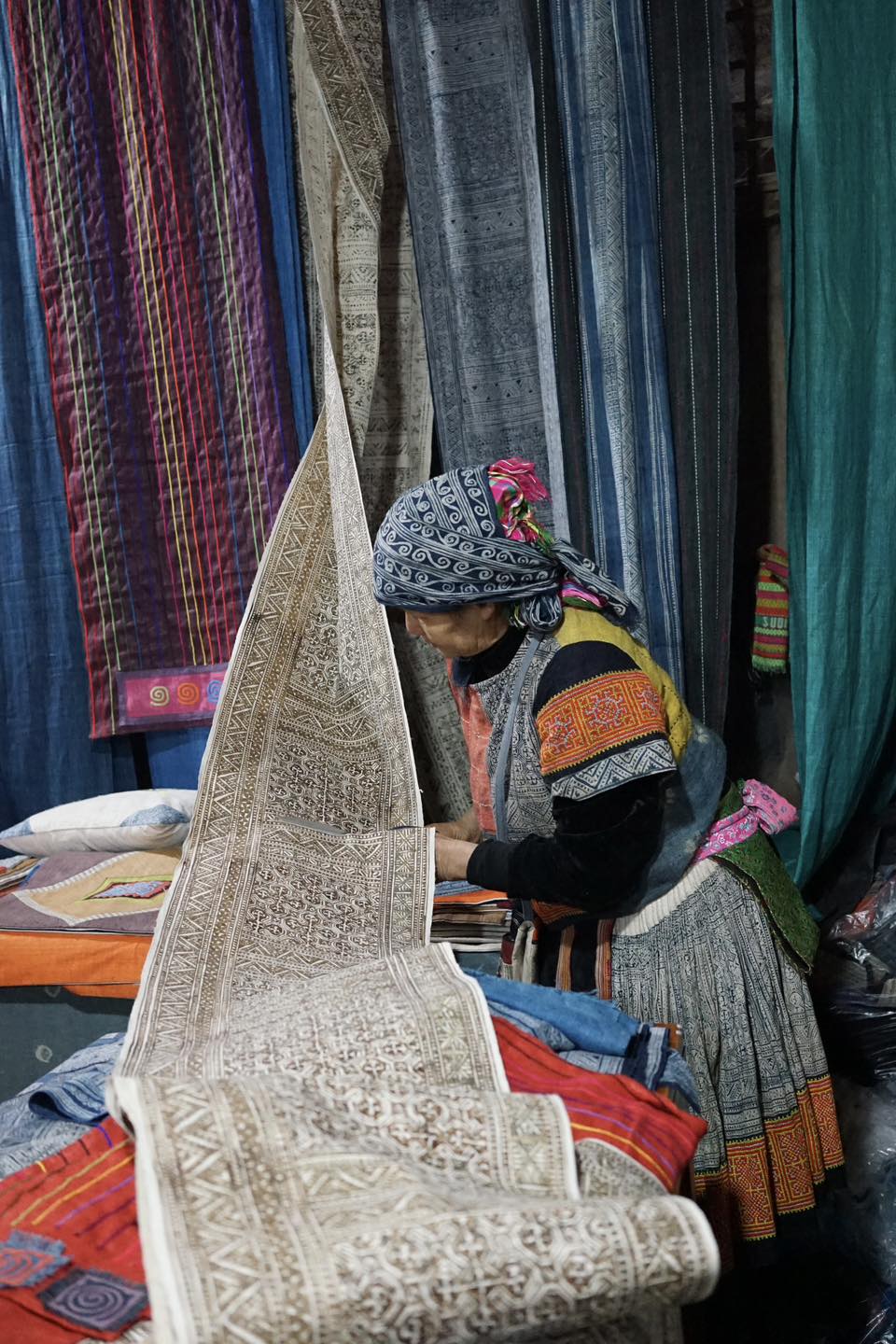
Every gui carries its own heritage code. Its shape, size and patterns vary with the livelihood and cultural identity of each ethnic community. The Thai people often craft tall, cylindrical baskets with narrow openings ideal for carrying rice, while the H’Mong create wider, larger baskets used for transporting firewood, heavy crops—and even children, turning them into mobile cradles on the way to the fields. These distinctions make the gui a cultural identifier, a vessel preserving the essence and traditions of each minority community.
The role of the gui extends far beyond utility. It is a familiar measure of abundance—a basket of rice, a basket of firewood—holding both the fruits of labor and hopes for a prosperous season. The image of mothers and wives bent against the slopes, carrying goods or their children, has become an enduring symbol of sacrifice and unconditional love. The weight of the basket is the weight of responsibility, family bonds and cultural continuity. It carries the future (a child) and the past (tradition, livelihood) in the same journey—a testament to the unwavering strength of highland women against the hardships of nature.
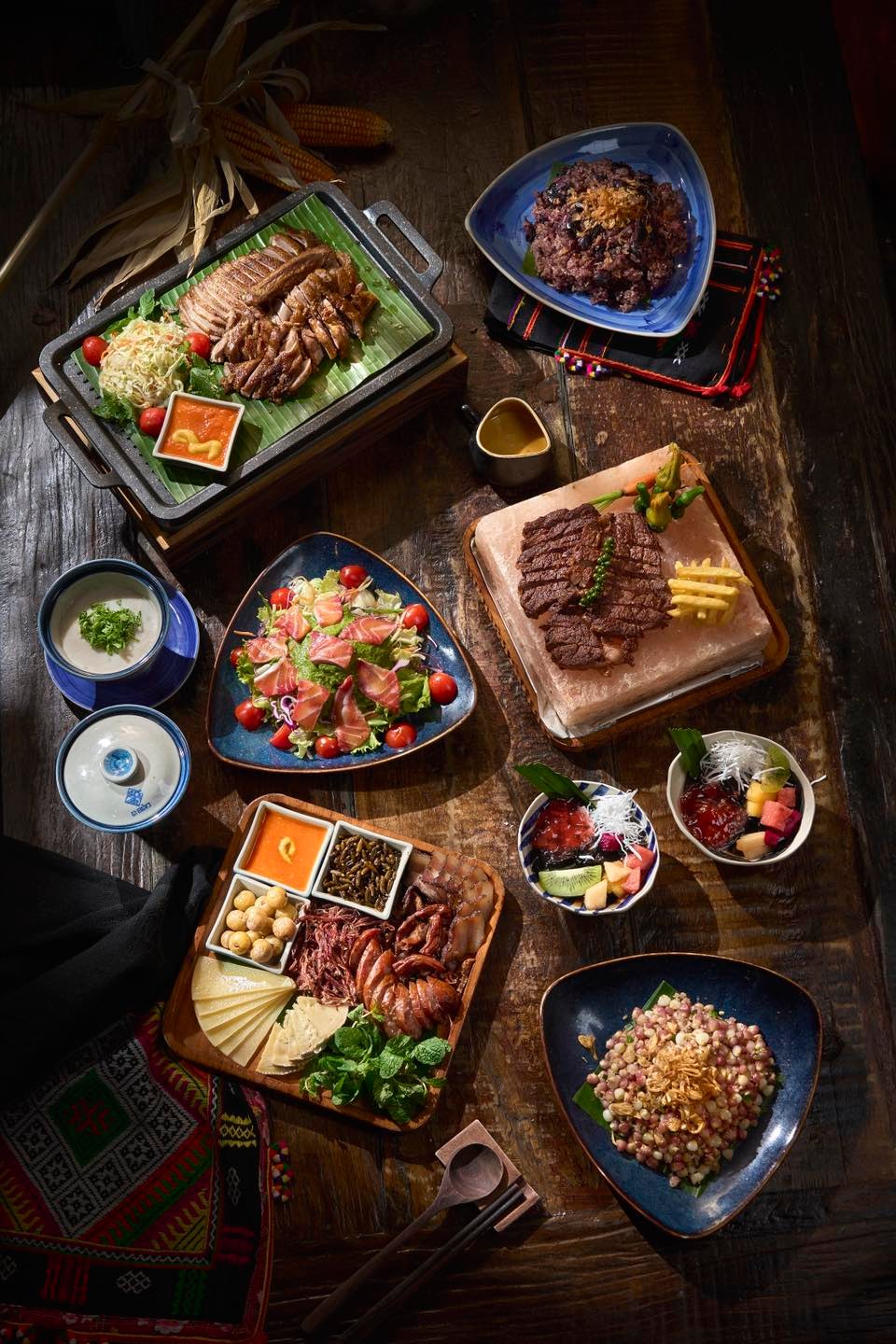
Even in today’s modern rhythm, the gui has not lost its original meaning. From remote villages, it has found its way into the city, becoming a cultural messenger bearing the essence of the mountains. At A Bản, the philosophy of “carrying the seasons” is brought to life through the journey of gathering the finest ingredients from forest to city—from fragrant Mường Khương sticky rice and the fiery aroma of mắc khén to the sweet firmness of Mán pork. These elements harmonize to create seasonal dishes that preserve the pure flavors of the highlands. A Bản aspires to be a place of convergence, where guests can feel the warm, authentic breath of the villages nestled in the heart of Hà Nội—where labor is honored and culinary heritage is preserved in every dish.
The gui of Northwest women continues its sacred journey: carrying culture through time. It deserves to be regarded as a living heritage—one that embodies intricate craftsmanship, a philosophy of harmony with nature, and the unwavering devotion of the women who uphold it.